Third Coast Roastery: A Demo Build Designed for 3x Online Revenue in 60 Days
Summary
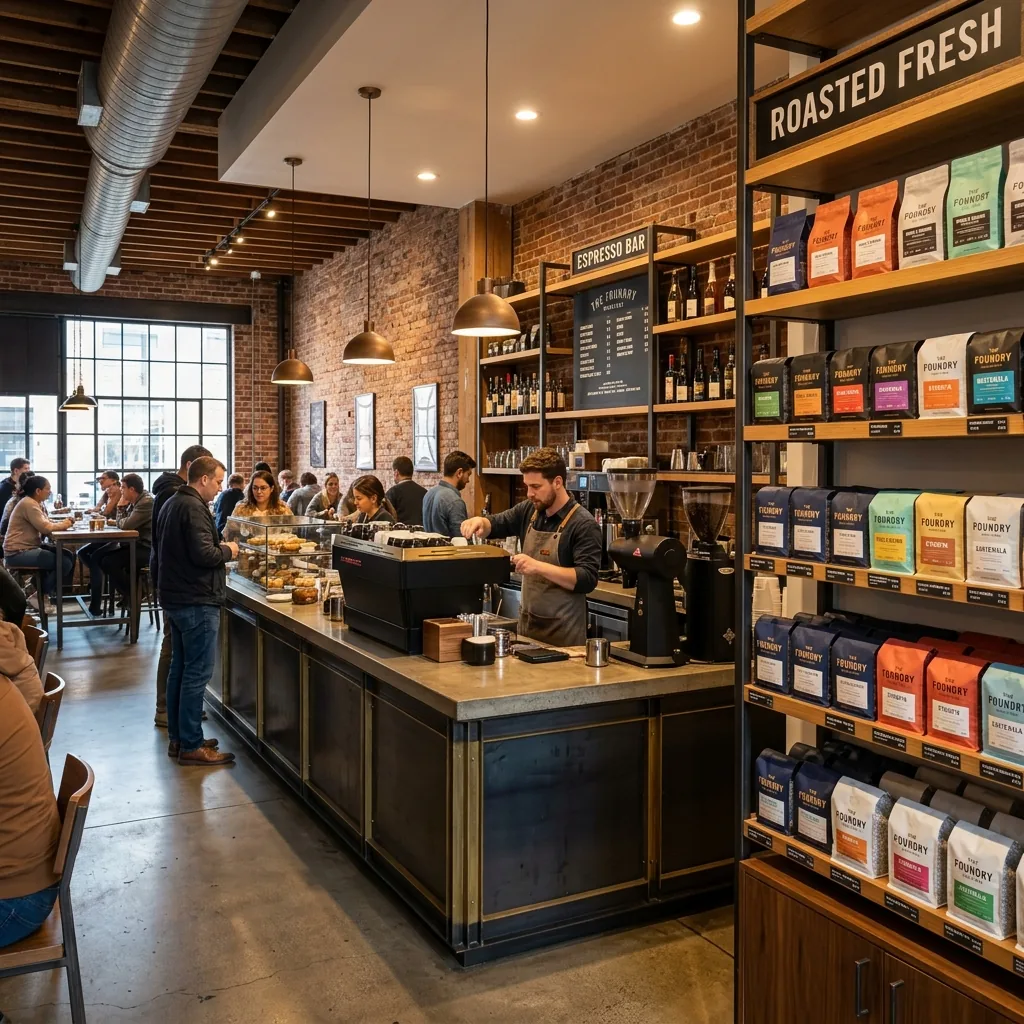
Third Coast Roastery is a demo small-batch coffee roaster with a loyal in-store following and an online store that barely sells. At baseline, a roaster in this position has product pages with thin descriptions, no local search context, weak category structure, and no Product schema, so nearby buyers searching "coffee near me" or for a specific roast never find them. An illustrative build like this rebuilds the store over 60 days: conversion-focused product and collection pages built around how people actually search, local plus "coffee near me" SEO, a clean Shopify setup with Product schema and Google Shopping readiness, a coffee subscription and wholesale path, automated review capture, and local pickup at checkout. Over a 60-day period this approach is designed for online revenue to roughly triple versus its pre-launch baseline — a projected outcome, not a recorded client result.
The challenge
A roaster in this scenario roasts coffee people genuinely love and has a steady stream of regulars at the counter. Online is a different story. The store averages only a handful of orders a week, almost all from existing customers who already know the brand. New buyers searching "coffee near me," "local coffee roaster," or for a specific bean or roast profile never surface the site — Amazon listings and national subscription brands take those positions instead.
The underlying problems are structural: product pages have one-line descriptions and no Product schema, there are no real collection pages to group roasts by profile or use, image filenames and alt text carry no search signal, and the checkout buries the option that locals care about most — pickup at the shop. Strong in-store demand simply isn't translating into online revenue.
What an illustrative build like this does
- 01.Rebuild product and collection pages for discovery — rewrite every product page with tasting notes, roast level, origin, and brew guidance, add valid Product schema with price and availability, and create collection pages that group beans by roast profile, use case, and gift options so both shoppers and search engines can navigate the catalog.
- 02.Target local + "coffee near me" search — optimize titles, copy, image alt text, and internal links around how people actually search ("local coffee roaster," "fresh roasted coffee [city]," specific roast terms), and reinforce the roastery's local entity with NAP-consistent details and a tuned Google Business Profile.
- 03.Clean up the Shopify store and Google Shopping feed — fix the product taxonomy, structure the data feed, and get listings Google Shopping-ready so products can appear in Shopping results and AI-assisted product answers, not just buried organic links.
- 04.Launch a coffee subscription and wholesale path — add a recurring "fresh beans every month" subscription to lift repeat revenue and a dedicated wholesale inquiry page to capture cafe, office, and restaurant accounts the brand would otherwise turn away by default.
- 05.Add review capture and local pickup at checkout — set up automated post-purchase review requests to build product star ratings and trust signals, and surface local pickup as a first-class checkout option so nearby customers can order online and grab their bags same day.
Illustrative results at 60 days (demo scenario)
- · Designed for online revenue to roughly triple versus the pre-launch baseline.
- · Product and collection pages built to reach page one for "coffee near me" and core roast keywords in the local market.
- · A new monthly coffee subscription built to grow repeat revenue.
- · A dedicated wholesale page built to capture inquiries from local cafes and offices.
- · Automated review capture to build product star ratings and buyer trust.
In this demo scenario, Third Coast Roastery is structured to move from an online store that mostly serves existing fans to a genuine local eCommerce channel that turns search demand into orders, subscriptions, and wholesale leads.
See the live site
This demo store Great North AI Partners built for the Third Coast Roastery concept shows how a local roaster's eCommerce can be structured for discovery and conversion.
Visit third-coast-roastery.netlify.appWant results like Third Coast Roastery?
Local retailers can turn in-store demand into online revenue when product discovery is built for local search. Start with a free local visibility audit and we'll email back a plain-English action plan within two business days.
Get My Free Audit →FAQ
I have an online store but barely any orders. Can local eCommerce SEO actually fix that?
Usually, yes — the problem is almost always discoverability, not demand. When your product and collection pages aren't built for how people search ("coffee near me," "local coffee roaster," a specific roast or bean), buyers never reach them and default to Amazon or a national brand. We rebuild product pages, collection structure, on-page copy, and Product schema so nearby and intent-driven buyers find you, then add Google Shopping readiness, reviews, and a clean local-pickup-or-ship checkout to turn that traffic into orders.
How long does it take to see more online sales from a local store?
It depends on your starting point, but most small local retailers see product pages start ranking and traffic climb within the first 30 to 60 days, with revenue following as more listings index and reviews accumulate. This illustrative example shows online revenue roughly tripling within 60 days of a local eCommerce SEO launch; your timeline depends on catalog size, competition, and how much existing demand you already have in-store.